
Strait of Hormuz Crisis: Why This Disruption Matters More Than Ever
- Bestvantage Team
- Mar 24
- 2 min read
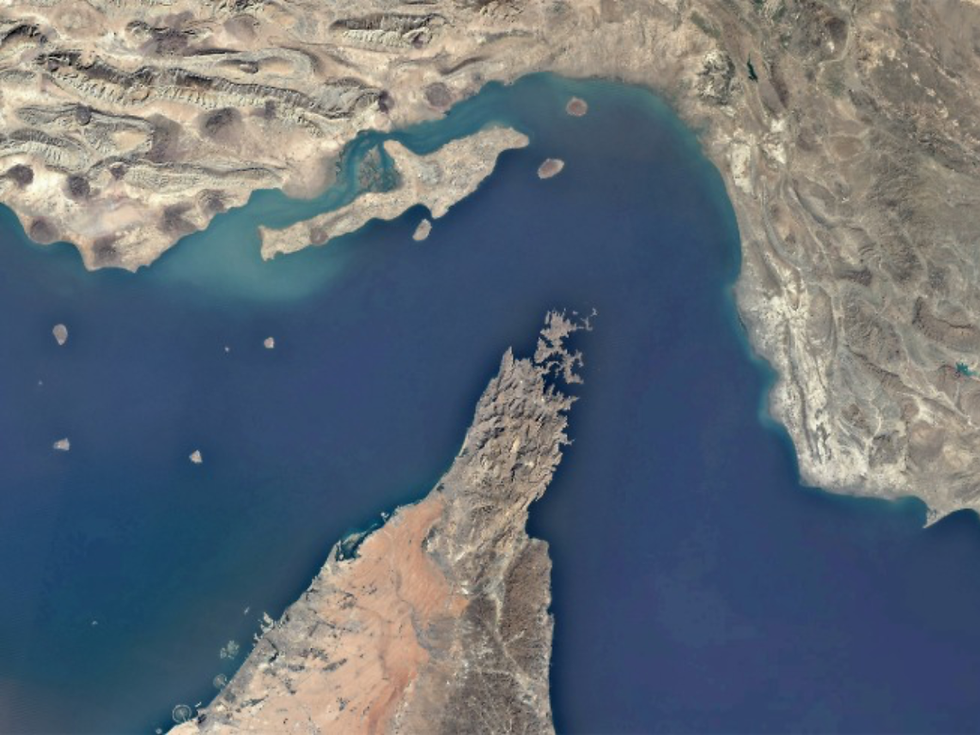
The escalating conflict around the Strait of Hormuz is no longer just a geopolitical flashpoint. It is rapidly evolving into a global economic shock with far-reaching consequences for energy markets, industrial supply chains, and inflation worldwide.
A Critical Chokepoint Under Pressure
The Strait of Hormuz is one of the most important maritime routes in the world, responsible for nearly 20 percent of global oil trade. Recent developments indicate that maritime traffic has dropped by as much as 95 percent. Even with U.S.-led naval efforts to secure passage, only a limited resumption of shipping is expected in the near term. This suggests a prolonged disruption rather than a short-term event.
Oil Markets React to Uncertainty
Oil prices have already shown extreme volatility. Brent crude briefly surged above $119 per barrel before falling below $110. This movement reflects not stability, but uncertainty. Markets are struggling to assess how long disruptions will last and how far the conflict could escalate. Such volatility often spills over into currencies, equities, and broader financial markets.
Beyond Oil: A Supply Chain Shock
The impact of this crisis extends far beyond crude oil. The Gulf region is a major supplier of fertilizers, petrochemicals, and metals. Disruptions to these exports can affect agriculture, manufacturing, and technology sectors globally. Fertilizer shortages can influence crop output, while petrochemical constraints can disrupt industries ranging from packaging to pharmaceuticals.
Infrastructure Damage and Long Recovery Cycles
Another critical concern is the direct damage to energy infrastructure. Attacks on refineries, LNG facilities, and processing plants could take months or even years to fully repair. This creates a structural issue where even if shipping routes reopen, supply may not return immediately. The gap between logistical recovery and production normalization could keep markets under pressure.
What This Means for India
For India, the implications are significant. As a major importer of crude oil, the country is highly exposed to price increases. Higher oil prices can widen the current account deficit, weaken the rupee, and push inflation higher. Increased fuel costs also raise transportation and logistics expenses, which eventually impact consumers across sectors.
The Global Consumer Impact
At a global level, rising energy costs tend to feed into higher prices for goods and services. From fuel to food, the effects are widespread. This could intensify inflationary pressures at a time when many economies are still navigating recovery and policy adjustments.
The Bigger Question
The key issue is no longer whether this disruption will affect the global economy. It already is. The real question is how long the disruption will last and how resilient global systems are to sustained pressure.
In an interconnected world, the stability of one narrow waterway can influence the trajectory of the entire global economy.


Comments