
India’s LPG Crisis Is a Warning Sign of a Larger Energy Shift
- Bestvantage Team
- Mar 23
- 2 min read

India’s current LPG shortage is not just a supply disruption. It is a reflection of deeper structural vulnerabilities in the country’s energy ecosystem. From households to industries, the impact is already visible, and the response is shaping a long-term transition toward piped natural gas.
A Growing Gap Between Access and Supply
One of the most concerning insights is that nearly 40% of households with Piped Natural Gas connections are not receiving gas. This points to a critical infrastructure gap. While connections are being rolled out, last-mile delivery and activation remain inconsistent.
This disconnect highlights a key issue. Expanding access is not enough if the supporting infrastructure fails to deliver reliable supply.
Businesses Are Already Feeling the Impact
The effects of LPG shortages are most visible in commercial sectors. Restaurants in major cities have reported shutdowns due to lack of fuel, while industries such as stainless steel manufacturing are experiencing rising costs and operational disruptions.
Commercial LPG users typically operate with minimal buffer stock. Any disruption quickly escalates into a business continuity issue. This makes them the first indicators of systemic stress.
Global Risks Are Driving Domestic Instability
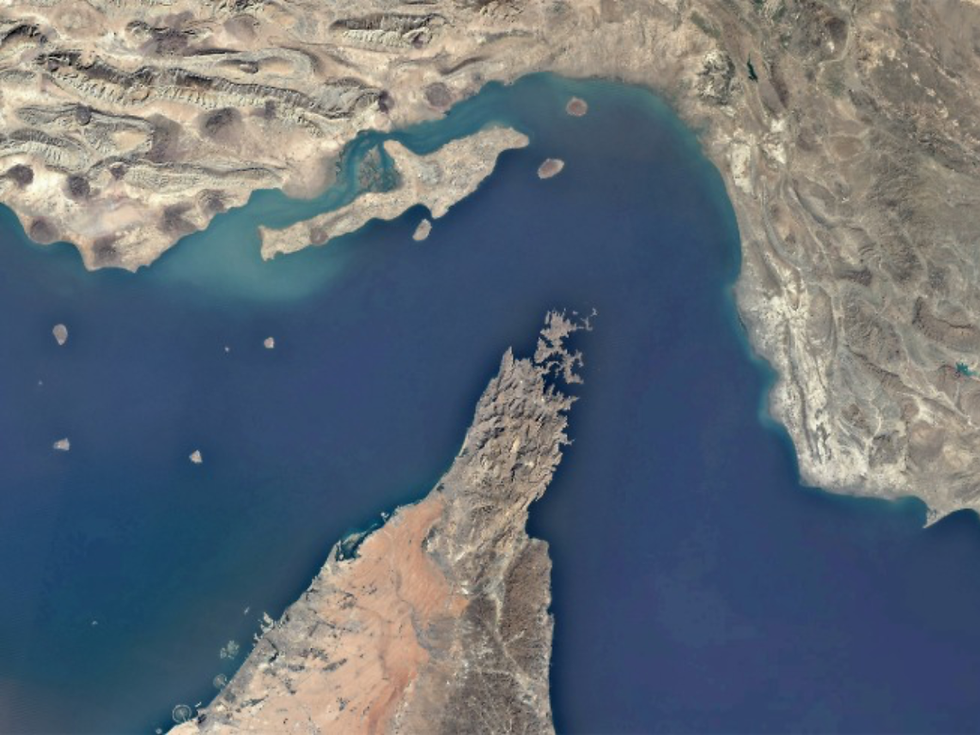
The ongoing tensions in West Asia have intensified supply chain disruptions and increased price volatility. For a country like India, which relies heavily on LPG imports, this creates immediate exposure to external shocks.
This situation reinforces a larger concern. Energy dependency on global markets can translate into domestic instability during geopolitical crises.
Policy Shift Toward PNG and CNG
In response, the government has begun prioritizing domestic PNG and CNG allocation. The objective is to protect essential consumption and maintain stability in urban transport and household usage.
This is more than a short-term response. It signals a strategic shift toward fuels that are less exposed to global disruptions.
PNG as a Long-Term Structural Solution
Piped Natural Gas is increasingly being positioned as a more stable alternative to LPG. It offers lower import dependence, more predictable supply, and better scalability for urban consumption.
City gas distribution companies are actively encouraging users to transition. However, adoption depends heavily on infrastructure readiness and consistent service delivery.
Execution Challenges Could Slow the Transition
Despite strong policy intent, companies are struggling to meet licensing and rollout targets. Infrastructure expansion, pipeline connectivity, and activation timelines remain key bottlenecks.
Without faster execution, the transition to PNG risks being delayed, leaving the system vulnerable to recurring supply shocks.
A Defining Moment for India’s Energy Strategy
India is at a critical juncture. The current LPG crisis highlights the limitations of relying on imported fuels while exposing gaps in domestic infrastructure.
Long-term stability will not come from increasing LPG supply alone. It will depend on reducing dependence through diversification and scaling reliable alternatives like PNG.
The key question now is whether infrastructure development can keep pace with policy ambition.


Comments