
Why the Iran War Is Becoming a Defining Moment for Global Investors
- Bestvantage Team
- 1 day ago
- 2 min read

As the Middle East conflict enters its fifth week, markets are sending a clear message. Geopolitics is back at the centre of investment risk. Stocks are falling. Oil is surging. Bonds are under pressure. And investors across India and the Middle East are beginning to reassess risk exposure. This is no longer just a regional conflict. It is becoming a global market event.
Markets Are Showing Signs of Stress
Recent market moves highlight growing investor unease:
The Nasdaq 100 fell 4.3 per cent in two days, entering correction territory
The S&P 500 recorded its worst two-day decline in a year
Brent crude surged above 112 dollars per barrel
Bitcoin dropped to a three-week low as investors turned defensive
Government bond yields rose as inflation concerns intensified
At the same time, the US dollar strengthened as investors shifted toward safer assets.
This combination signals a classic risk off environment.
Why This Matters for India and the Middle East
For investors in India and the Middle East, the impact is more direct:
Higher oil prices increase inflation risk
Energy-dependent economies face cost pressures
Global trade disruptions affect regional exports
Currency volatility increases portfolio risk
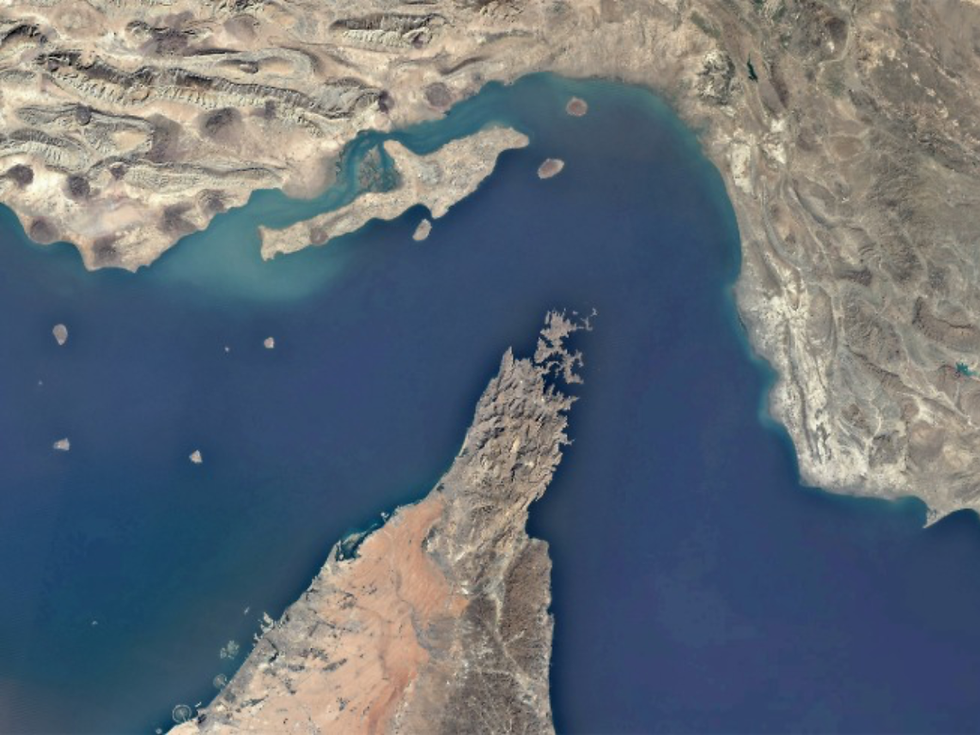
If the Strait of Hormuz remains closed, oil prices could climb significantly higher. Some analysts even suggest oil could approach 200 dollars per barrel if the conflict extends into the second quarter. That would have far reaching consequences across emerging markets.
Traditional Defensive Strategies Are Not Working
What makes this period unusual is that traditional hedges are struggling as well. Stocks, bonds, and other defensive assets have declined together for four consecutive weeks. This rarely happens and reflects the complexity of the current environment. Investors are shifting from growth-focused positioning to capital preservation.
What Investors Should Watch Next
Key developments that could influence markets:
Progress toward reopening the Strait of Hormuz
Oil price movements and inflation expectations
Central bank policy changes
Escalation or de-escalation of regional conflict
These factors will likely shape market direction in the coming weeks.
The Bigger Investment Lesson
Geopolitical risk often arrives suddenly. But its impact can last much longer. For investors and boutique investment firms, this environment reinforces the importance of:
Diversification
Risk management
Long-term discipline
Markets may remain volatile in the near term. But periods like this often create both risks and opportunities.


Comments